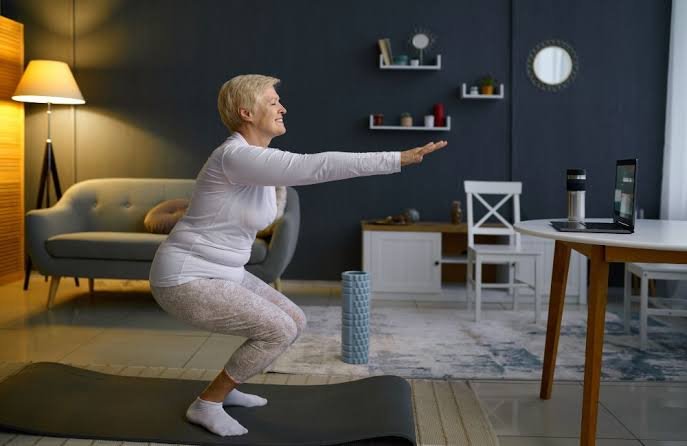
Staying active is one of the most important things seniors can do to support their overall health and well-being. Physical activity benefits the body in countless ways, helping to maintain strength, flexibility, balance, and cardiovascular health. Beyond the physical advantages, an active lifestyle can also boost mood, improve mental sharpness, and create opportunities for meaningful social connections.
The good news is that staying active does not require intense workouts or competitive sports. There are many enjoyable and accessible ways for older adults to incorporate movement into their daily routines. By finding activities that match their interests and abilities, seniors can maintain their independence and enjoy a higher quality of life.
Make Walking Part of Your Routine
Walking remains one of the easiest and most effective forms of exercise for seniors. It requires little equipment, can be done almost anywhere, and offers numerous health benefits. Regular walks help improve cardiovascular health, support healthy weight management, and strengthen muscles used for daily activities.
Walking can also provide mental and emotional benefits. Spending time outdoors, enjoying fresh air, and observing nature can help reduce stress and improve mood. Some seniors enjoy walking with friends or family members, which adds a valuable social component to the activity.
Even short walks throughout the day can make a meaningful difference. Consistency is often more important than distance when it comes to maintaining an active lifestyle.
Participate in Group Fitness Classes
Many senior-focused fitness programs are designed to accommodate a wide range of ability levels. Classes may include gentle aerobics, stretching exercises, water fitness, chair exercises, or balance training.
Group fitness classes provide structure and motivation while creating opportunities to meet new people. Exercising alongside others often makes physical activity more enjoyable and helps participants stay committed to their routines.
In addition to improving physical health, these classes can increase confidence and encourage seniors to remain engaged in other activities throughout their communities.
Explore Strength and Resistance Training
Maintaining muscle strength becomes increasingly important with age. Strength training can help seniors preserve muscle mass, improve mobility, and support better balance and coordination.
Exercises using resistance bands, light weights, or body weight can be effective and adaptable to individual fitness levels. Building strength can make everyday tasks such as carrying groceries, climbing stairs, or getting out of a chair easier and safer.
Before beginning a new exercise program, many seniors benefit from consulting a healthcare professional or fitness instructor who understands age-related fitness needs.
Stay Active Through Hobbies
Physical activity does not always have to feel like exercise. Many hobbies naturally incorporate movement and can help seniors stay active while having fun.
Gardening, dancing, bird watching, photography, golfing, and even certain arts and crafts activities can encourage regular movement. These hobbies provide both physical and mental stimulation while helping seniors pursue interests they genuinely enjoy.
Activities that combine movement with personal passion are often easier to maintain long term because they feel rewarding rather than obligatory.
Join Community Activities
Community involvement is an excellent way to remain physically and socially active. Senior centers, recreational programs, volunteer opportunities, and local events often provide engaging experiences that encourage movement and interaction.
Those interested in Active Independent Living in Frisco, TX often discover that active senior communities offer numerous opportunities for wellness programs, recreational events, clubs, and social gatherings. These activities help residents remain engaged while promoting both physical and emotional well-being.
Participating regularly in community events can foster friendships, reduce isolation, and create a stronger sense of belonging.
Practice Balance and Flexibility Exercises
Balance and flexibility exercises play an important role in healthy aging. These activities help maintain mobility, improve posture, and reduce the risk of falls.
Yoga, stretching routines, and tai chi are popular options for older adults because they promote gentle movement while enhancing coordination and flexibility. Many seniors find these practices calming and beneficial for both physical and mental wellness.
Improved balance can contribute significantly to independence by helping seniors move confidently and safely throughout their daily lives.
Stay Consistent With Everyday Movement
Not all activity needs to occur during planned exercise sessions. Everyday movement can contribute substantially to overall fitness and health.
Simple actions such as taking the stairs when appropriate, doing light household chores, shopping, walking around the neighborhood, or playing with grandchildren help keep the body moving throughout the day. These small activities accumulate over time and provide meaningful health benefits.
The goal is to avoid long periods of inactivity whenever possible. Consistent movement supports circulation, joint health, and overall physical function.
Building an Active Lifestyle
Creating an active lifestyle is often easier when goals are realistic and enjoyable. Seniors who select activities they genuinely like are more likely to remain consistent and experience lasting benefits.
Starting slowly and increasing activity gradually can help prevent injury and build confidence. It is also helpful to mix different activities to maintain interest and challenge various aspects of fitness.
Family members can provide encouragement by participating in activities together and celebrating progress. Social support often makes staying active more rewarding and sustainable.
The Long-Term Benefits of Staying Active
Regular physical activity offers benefits that extend far beyond fitness. Active seniors often experience improved energy levels, better sleep quality, enhanced mental health, and greater independence.
Exercise can also support healthy aging by helping manage chronic conditions, preserving mobility, and maintaining cognitive function. The combination of physical and social engagement contributes to a more fulfilling and enjoyable lifestyle.
Even modest increases in activity can lead to meaningful improvements in overall well-being. The key is finding enjoyable ways to keep moving consistently.
Conclusion
Staying active is one of the most effective ways for seniors to support their physical, mental, and emotional health. Walking, group fitness classes, strength training, active hobbies, community involvement, balance exercises, and everyday movement all provide valuable opportunities to remain engaged and independent.
Healthy aging is not about achieving perfection or meeting strict fitness goals. It is about finding enjoyable ways to stay active and making movement a regular part of everyday life. With the right approach, seniors can continue enjoying vibrant, fulfilling lifestyles for years to come.

