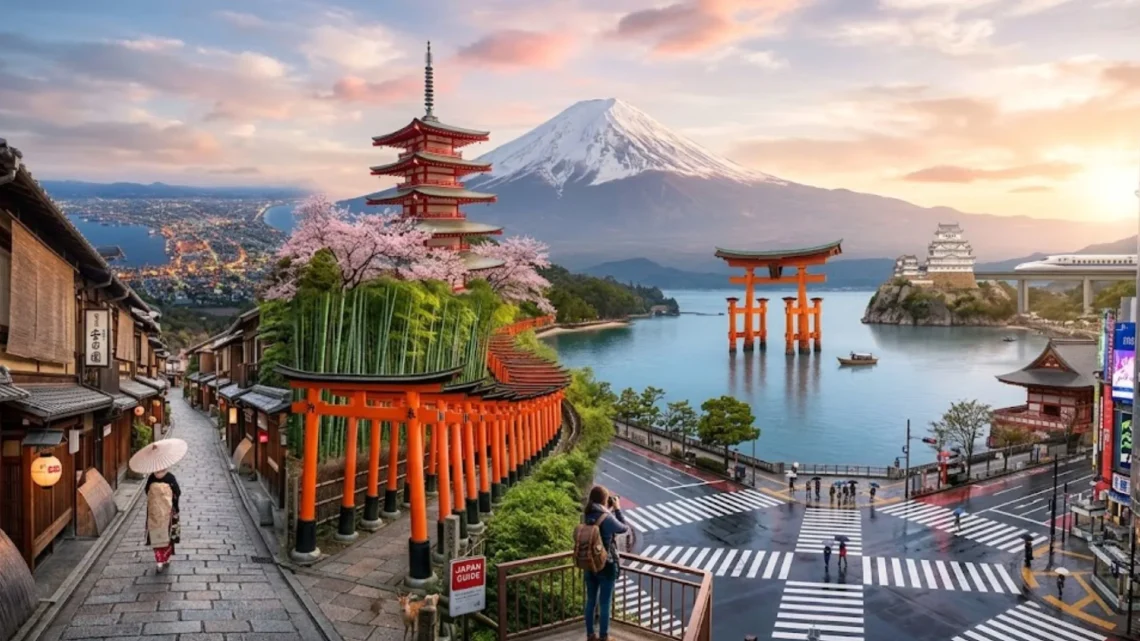
Why Japan Should Be Your Next Vacation Destination
Here’s the thing about Japan. It works.
Trains arrive exactly on time. Strangers return your lost wallet. The bathroom floors are warmer than your bedroom.
Japan vacation destinations aren’t just pretty. They’re functional. You can send luggage from Tokyo to Osaka and not carry a bag for three days. (Game changer, right?)
The country packs centuries of history next to futuristic skyscrapers. One minute you’re at a 1,000-year-old shrine. Next, you’re at a cat café drinking latte art.
Popular places in Japan stay popular for good reason. But even crowded spots feel organized. No pushing. No yelling. Just efficiency with a smile.
I once saw a subway station employee bow to a departing train. A train. That’s the level of respect here.
So pack light. Bring cash (lots of places still don’t take cards). And prepare for the trip of your life.
Tokyo: The Chaotic Heart of Modern Japan
Tokyo Attractions That Will Break Your Brain
Tokyo isn’t a city. It’s 23 small cities stacked inside a trench coat.
Tokyo attractions range from the sacred to the ridiculous. You can visit Senso-ji Temple, Tokyo’s oldest temple, then walk twenty minutes to Akihabara Electric Town. There, grown men play arcade games at 10 AM. No judgment.
The best cities to visit in Japan are always listed as Tokyo first. But don’t try to “do” Tokyo. You can’t. Accept this now.
Japan sightseeing spots in Tokyo include:
- Shibuya Crossing – that crazy intersection from every movie ever
- Shinjuku Gyoen Garden – perfect for escaping the noise
- Tsukiji Outer Market – eat tuna at 7 AM like a local
- Meiji Shrine – a peaceful forest smack in the city center
- teamLab Planets – digital art that makes you feel high (sober)
Things to do in Japan start here. Spend at least four days. Any less and you’ll leave angry.
The Weird and Wonderful Parts of Tokyo
Golden Gai is six tiny alleys with 200 bars. Each bar seats five people max. You’ll sit next to strangers and drink whiskey until 4 AM.
I once watched a businessman cry into his beer there. He wasn’t sad. Just overwhelmed by life. Same, buddy. Same.
Japan travel recommendations for Tokyo: learn the train system. Google Maps works perfectly. But buy a Suica card (like a debit card for trains) before you do anything else.
Don’t bother with a rental car. Parking costs more than your hotel.
Kyoto: Where Japan’s Soul Lives
Kyoto Temples and Traditional Beauty
Kyoto is what tourists imagine when they picture Japan.
Kyoto temples aren’t just buildings. They’re time machines. Kinkaku-ji (the Golden Temple) shimmers so bright you’ll need sunglasses. Ryoan-ji has a rock garden that monks have debated for 500 years.
Historic places in Japan don’t get more historic than this. Kyoto was Japan’s capital for over 1,000 years. That’s not a flex. That’s just a fact.
Cultural attractions in Japan peak here:
- Fushimi Inari Shrine – thousands of red gates winding up a mountain
- Arashiyama Bamboo Grove – taller than you expect, crowded too.
- Kiyomizu-dera Temple – wooden stage with city views
- Gion District – maybe spot an actual geisha (maybe)
- Nishiki Market – “Kyoto’s Kitchen” with 100 food stalls
Must-visit places in Japan include at least three days in Kyoto. Book accommodations early. Hotels fill up months ahead.
Osaka: Japan’s Kitchen (and Comedy Club)
Osaka Sightseeing and Food Culture
Osaka doesn’t try to be polite. And that’s exactly why people love it.
Osaka sightseeing means eating first, asking questions never. Dotonbori canal glows with giant mechanical signs. A crab moves its legs. A runner lights up. A dragon blows steam.
Famous places in Japan often skip Osaka for Kyoto. Big mistake.
Japan tourist attractions in Osaka include:
- Osaka Castle – rebuilt but still impressive.
- Shinsekai District – retro vibes and cheap eats
- Kuromon Market – seafood so fresh it might still move
- Universal Studios Japan – Super Nintendo World exists here
- America Mura – hipster shopping and late-night ramen
Things to do in Japan that involve food? Osaka wins. Okonomiyaki (savory pancake), takoyaki (octopus balls), kushikatsu (fried skewers). Your arteries will hate you. Your taste buds will thank you.
Why Osaka People Are Different
Locals say Osaka is Japan’s “comedian training ground.” People here talk louder, laugh harder, and haggle at markets.
Japan travel bucket list item: eat at a standing bar in Osaka. No chairs. Just salarymen eating raw tuna and drinking highballs at 5 PM.
I asked a vendor for extra sauce on my takoyaki. He laughed and gave me double. Then he called me “thick face” (compliment in Osaka? still not sure).
That wouldn’t happen in Tokyo. Too proper. Too polite.
Osaka keeps it real.
Hokkaido: Snow, Seafood, and Silence
Hokkaido Travel for Nature Lovers
Hokkaido is Japan’s northern frontier. Think mountains, powder snow, and crabs the size of your torso.
Hokkaido travel peaks in winter for skiing. Niseko gets more snow than almost anywhere on earth. But summer brings flowers, hiking, and the best corn you’ll ever eat.
Scenic spots in Japan shine here:
- Shiroi Koibito Park – a cookie factory that looks like a European village
- Furano – lavender fields that turn purple in July
- Otaru Canal – romantic, quiet, perfect for dates
- Lake Toya – volcano views from hot springs
- Sapporo Beer Museum – learn beer history, then drink beer.
Japan adventure travel means Hokkaido. Skiing, snowboarding, rafting, cycling. The whole outdoor package.
The Crab Situation
Hokkaido’s seafood market in Sapporo (Nijo Market) sells crabs in three sizes. Small. Large. And “how is this legal?”
Romantic places in Japan include Hokkaido in winter. Snow falling. Hot springs are steaming. No crowds. Just you, your person, and possibly a very large crab.
Weekend destinations in Japan for locals often fly to Hokkaido from Tokyo. It’s a 90-minute flight. Worth every yen.
Okinawa: Japan’s Tropical Paradise
Okinawa Beaches and Island Vibes
Wait. Does Japan have beaches? Yes. And they’re stunning.
Okinawa beaches look like Hawaii. White sand. Turquoise water. Palm trees swaying. But the food tastes Japanese, and the culture feels completely unique.
Beautiful places in Japan often forget Okinawa because it’s far south. But that distance keeps it special.
Family-friendly destinations in Japan include Okinawa’s Churaumi Aquarium. Whale sharks swim overhead.
Hidden gems in Japan are everywhere in Okinawa:
- Cape Manzamo – sunset views that break Instagram
- Shuri Castle – rebuilt after fire, still powerful.
- Kokusai Dori Street – shopping and sweet potato tarts
- Blue Cave – snorkeling with tropical fish
- American Village – weird, fun, worth one evening
The WWII History You Can’t Ignore
Okinawa saw terrible fighting in World War II. The Peace Memorial Park documents everything. It’s heavy. It’s sad. It’s necessary.
Japan tourism guide tip: visit the memorial before the beaches. Context matters.
Best places to visit in Japan for history buffs include Okinawa’s underground naval headquarters. Tunnels where officers made impossible choices. Bring tissues.
Hiroshima: Resilience and Hope
Hiroshima Peace Memorial and Its Message
Hiroshima was rebuilt from the ashes..
Hiroshima Peace Memorial (the Atomic Bomb Dome) stands exactly as it was after August 6, 1945. Wrecked. Empty. Haunting.
But here’s the thing. The city didn’t stay sad. It built a museum. It planted trees. It decided to preach peace forever.
Top tourist destinations in Japan include Hiroshima for everyone. Not because it’s fun. Because it’s important.
Japan sightseeing spots nearby:
- Hiroshima Castle – rebuilt, beautiful grounds
- Shukkeien Garden – miniature landscapes, quiet benches
- Okonomimura – three floors of okonomiyaki shops
The Okonomiyaki Difference
Hiroshima makes okonomiyaki differently from Osaka. Layers instead of mixing. Noodles inside. It’s better. I’ll fight you on this.
Where to go in Japan for food alone? Hiroshima. Oysters too. Fresh from the bay. Cheap. Delicious.
A Japan travel itinerary must include one full day for Hiroshima and Miyajima. Start early. End with okonomiyaki and beer.
Hidden Gems You Probably Never Heard Of
Traditional Villages in Japan
Traditional villages in Japan still exist. Real ones. Not theme parks.
Shirakawa-go has farmhouses with steep thatched roofs. Snow looks like icing on gingerbread houses. Hidden gems in Japan like this stay hidden because they’re hard to reach. Two buses from the nearest train station.
Worth it.
Popular places in Japan miss these villages. Tourists stick to Tokyo, Kyoto, and Osaka. Their loss.
Japan travel destinations for slow travelers: book a night in a gassho-zukuri farmhouse. Old ladies cook dinner. You sleep on tatami mats. You hear nothing but wind and river.
Alpine Routes and Onsen Towns
Kamikochi Valley bans private cars. Only buses and hikers. The air smells like pine and clean water. Scenic spots in Japan don’t get more scenic.
Hakone hot springs sit near Mount Fuji. You soak in volcanic water while staring at Japan’s most famous mountain. Mount Fuji views from a hot spring? Yes please.
Best regions to visit in Japan include the Japanese Alps. Takayama has preserved wooden houses and morning markets. Weekend destinations in Japan for people who need to breathe.
The Rabbit Island Disaster
Okunoshima (Rabbit Island) has hundreds of wild rabbits. Tourists bring cabbage. Rabbits chase you like tiny fluffy zombies.
Sounds cute. And it is. But here’s the dark part. The island manufactured poison gas during WWII. The museum doesn’t hide this. You go from “aww bunny” to “oh god war crimes” in fifteen minutes.
Japan travel recommendations still include Rabbit Island. Just know what you’re walking into.
Nara: Deer That Bow (Seriously)
Nara Deer Park and Giant Buddha
Nara Deer Park has over 1,000 deer. They’re considered sacred messengers.
The deer bow. Really. You bow to them, they bow back. Then they demand crackers.
Historic places in Japan include Todai-ji Temple. Inside sits a 15-meter bronze Buddha. Made in 752 AD. Half a million people worked on it. Cultural attractions in Japan don’t get bigger.
Family-friendly destinations in Japan love Nara because it’s a half-day trip from Kyoto or Osaka. Kids chase deer. Adults chase deer for photos. Everyone wins.
Nikko: Shrines Built by Gods (Or Extreme Wealth)
Nikko Shrines and Mountain Spirituality
Nikko shrines look like Kyoto temples on steroids. Gold leaf. Carved monkeys. Doors guarded by wooden elephants.
Toshogu Shrine honors Tokugawa Ieyasu, the shogun who united Japan. His mausoleum is so elaborate that critics call it “overdone.” Those critics are wrong.
Japan sightseeing spots in Nikko include Kegon Falls (97 meters straight down) and Lake Chuzenji (boat rides, autumn colors, cold weather).
Romantic places in Japan work well in Nikko during the fall. Red leaves. Cool air. Hot springs nearby.
The “See No Evil” Monkeys
Nikko’s famous carving shows three monkeys. One covers their eyes. One covers their ears. One covers the mouth. “See no evil, hear no evil, speak no evil.”
Everyone knows this image. Few know it came from Nikko.
Japan travel bucket list item: find the monkeys. They’re smaller than you expect. Still worth the photo.
Mount Fuji: Japan’s Postcard Mountain
Mount Fuji Views Without the Hike
Mount Fuji views happen from multiple spots. The Fuji Five Lakes area works best. Lake Kawaguchiko reflects the mountain perfectly on clear days.
Best places to visit in Japan for photographers: Arakurayama Sengen Park. Five-story pagoda with Fuji behind it. It really looks like that.
Scenic spots in Japan include Fuji from a bullet train. Tokyo to Osaka trains pass near the mountain. Right side of the train. Window seat. Camera ready.
Climbing Fuji is No Joke
People die climbing Fuji. Not many. But some. Altitude sickness, bad weather, poor preparation.
Japan adventure travel types can climb from July to September. Bring warm clothes (freezing at the top). Bring cash (huts sell oxygen and ramen).
Japan travel guide advice: if you’re not fit, just look from below.
Practical Tips for Your Japan Trip
Transportation and Timing
The Japan Railways (JR) Pass is expensive now. Prices doubled in 2023. Do the math before buying.
Japan travel itinerary planning: map your train rides first. Calculate costs. Sometimes single tickets make more sense.
Suica or Pasmo cards work on subways, buses, and convenience stores. Load them at any station.
Best cities to visit in Japan connected by shinkansen (bullet trains). Tokyo to Osaka: 2.5 hours. Osaka to Hiroshima: 1.5 hours. Hiroshima to Hakata: 1 hour.
Money and Internet
Cash is king. Even in 2026. Many restaurants, temples, and shops only take yen.
Get a pocket WiFi or eSIM before landing. Google Maps saves your life daily.
Japan travel recommendations for budget travelers: convenience store food (7-Eleven, FamilyMart, Lawson) is legit good. Cheap too. Onigiri (rice balls) cost $1.50 and beat most airport sandwiches.
When to Go
Spring (March-May): cherry blossoms, crowds, higher prices
Summer (June-August): hot, humid, festivals, fewer crowds (except July)
Fall (September-November): perfect weather, amazing colors
Winter (December-February): cold, fewer tourists, ski season
Popular places in Japan get slammed during Golden Week (late April/early May). Don’t go then. Seriously. Don’t.
Conclusion
Destinations to visit in Japan could fill a book. This is just the start.
Japan does things differently. Better, usually. The trains run on time. The food tastes real.
Japan travel destinations like Tokyo shock you. Kyoto humbles you. Osaka feeds you. Hiroshima teaches you. Hokkaido frees you.
Must-visit places in Japan depend on who you are. City person? Tokyo and Osaka. Nature person? Hokkaido and Nikko. Beach person? Okinawa. History person? Kyoto and Hiroshima.
Start with Tokyo (4 days), Kyoto (3 days), Osaka (2 days), and one wildcard (Hiroshima or Nara).
Book flights early. Pack good walking shoes. Leave room in your suitcase for snacks.
You’ll come home different. Fuller. Stranger. Already planning the next trip.
That’s Japan’s real magic.
Q1: What is the number one tourist destination in Japan?
Answer: Tokyo is the most visited destination in Japan, attracting over 15 million international tourists annually. The city combines futuristic attractions like Shibuya Crossing and teamLab Planets with historic sites like Senso-ji Temple and Meiji Shrine. Most first-time visitors spend 4-5 days exploring Tokyo’s diverse neighborhoods before traveling to other regions.
Q2: How many days do you need for a Japan trip?
Answer: A standard Japanese travel itinerary requires 10-14 days to cover major destinations. A 10-day trip typically includes Tokyo (4 days), Hakone or Mount Fuji (1 day), Kyoto (3 days), and Osaka (2 days). A 14-day trip adds Hiroshima, Miyajima, and Nara. Less than 7 days only allows for one or two cities, usually Tokyo and Kyoto.
Q3: What is the best month to visit Japan?
Answer: October and November offer the best overall conditions for Japan travel destinations. Temperatures range from 50-70°F (10-21°C) with low rainfall and stunning autumn colors. March and April bring cherry blossoms but also peak crowds and higher prices. September has fewer tourists but occasional typhoons. December through February offer skiing and fewer crowds, but cold temperatures.
Q4: Is Japan expensive for tourists?
Answer: Japan fits various budgets. Budget travelers spend 70−100 daily on hostels, convenience store meals, and public transit. Mid-range travelers spend 70−100 daily on hostels, convenience store meals, and public transit. Mid-range travelers spend 150-250 daily on business hotels, restaurant meals, and the JR Pass. Luxury travelers spend $400+ daily. Recent price increases (2024-2026) make Japan more expensive than pre-pandemic, but the weak yen helps foreign currencies go further.
Q5: Do I need to speak Japanese to visit Japan?
Answer: No. Major tourist destinations in Japan have English signage, menus, and staff at hotels, train stations, and attractions. Google Translate works well for conversations and menus.
Read More Sports Blog: Blue Jays vs Yankees

